


Booking a Board Meeting Venue: A Vetting Checklist
Vet a board meeting venue across six areas - logistics and capacity, location, technology, privacy, catering, and contract terms. Minimum benchmarks to look for: 25–30 sq ft per person, 100 Mbps symmetrical internet, $2 million in general liability insurance, and a 14-day cancellation window. Score every venue against the same criteria before you sign.
A poorly chosen board meeting venue can derail an entire quarter's worth of planning. You've assembled directors, executives, and possibly external stakeholders, and the room's Wi-Fi drops during a critical presentation, or the catering arrives cold, or street noise bleeds through thin walls during a confidential discussion. These aren't hypothetical scenarios: they happen constantly when organizers skip the vetting process and book based on price or aesthetics alone.
Having a proper checklist for booking a board meeting venue is the difference between a productive session and an expensive headache. The stakes are high because board meetings carry legal weight, involve sensitive financial data, and set the strategic direction of an organization. A venue that can't support those demands isn't just inconvenient: it's a liability.
This guide breaks the vetting process into six categories, each with specific criteria you can score before signing any contract. Whether you're an executive assistant booking your first offsite or a seasoned operations lead who's seen it all, these checkpoints will save you from the mistakes that cost real money and credibility.
What should you consider before you start looking at venues?
Get crystal clear on what the meeting actually needs to accomplish before you contact a single venue. A two-hour strategy review with six directors has radically different requirements than a full-day session with twelve board members, legal counsel, and remote participants joining from three time zones. The format drives every downstream decision: room size, technology, catering, and even the contract terms.
Start by listing the meeting's core activities. Will there be a formal presentation? Breakout sessions for committee work? An executive lunch with a guest speaker? Each activity implies specific spatial and technical needs. Write them down before you call a single venue.
How much space do you need for a board meeting?
Plan for 25 to 30 square feet per person in a boardroom-style layout. A twelve-person meeting needs roughly 300 to 360 square feet of usable space, not including AV equipment zones.
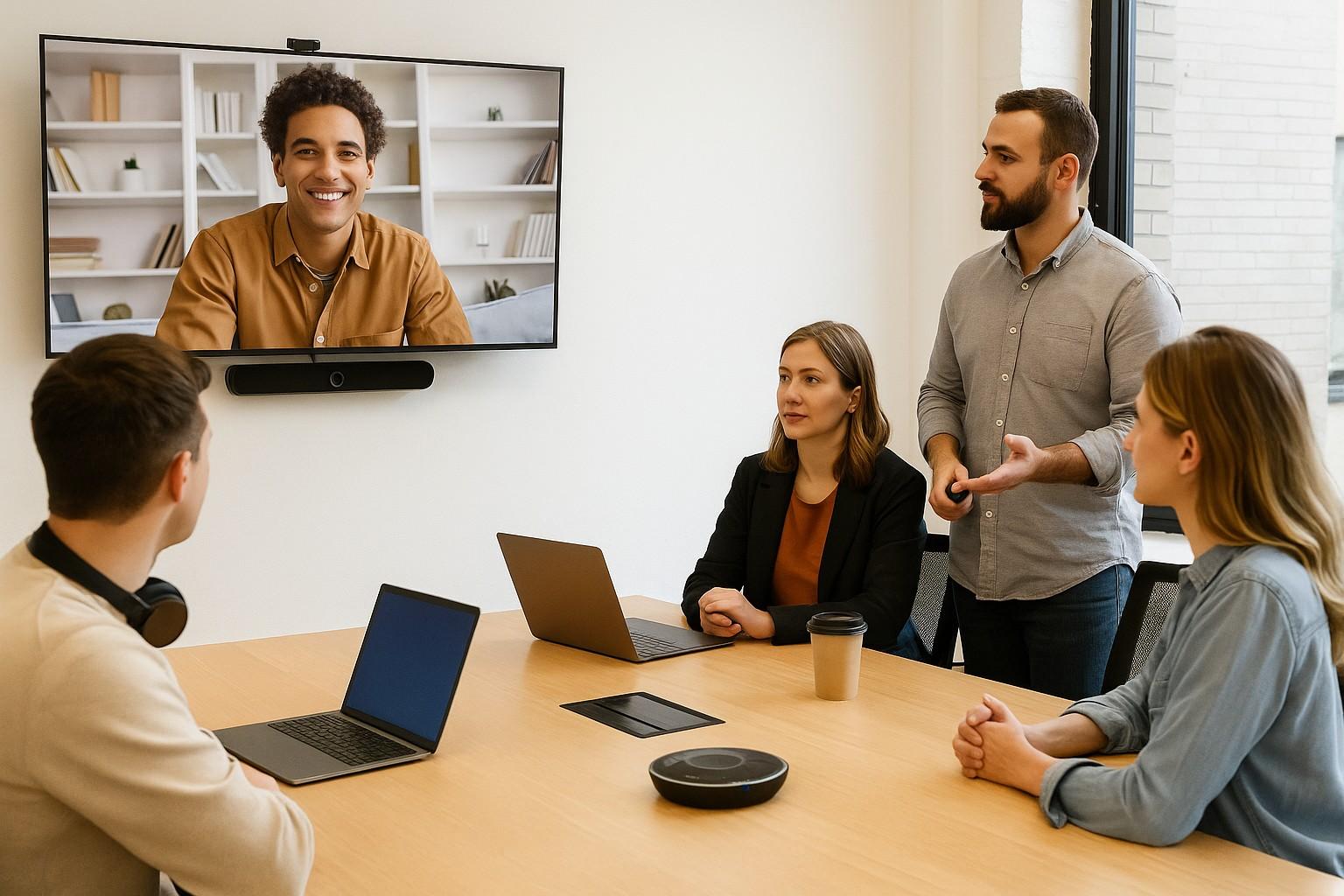
Room capacity isn't just about how many chairs fit — it's about a table configuration where everyone can see each other, access power outlets, and view presentation screens without craning their necks. Ask venues specifically about table shapes: a rectangular table works for formal proceedings with a clear chairperson position, while a U-shape or oval better supports collaborative discussion. If your board includes remote participants, you'll also need camera sight lines that capture all in-person attendees without awkward angles.
How much should you budget for a board meeting venue, and what's typically hidden?
Build your budget from the bottom up, not the top down. Room rental is often the smallest line item. The real costs hide in AV equipment fees, setup and breakdown charges, food and beverage minimums, and overtime rates if your meeting runs long.
For example, a venue quoting $1,500 for a half-day room rental might actually cost $4,200 once you add a projector rental ($300), catering minimum ($1,800), and a two-hour overtime charge ($600).
Set aside 15 to 20 percent as a contingency fund. Last-minute changes are almost guaranteed - a board member's dietary restriction you didn't know about, an extra breakout room needed for a private conversation, or a technical issue requiring on-site IT support. That buffer keeps you from scrambling.
How do you evaluate a venue's location and accessibility?
Location shapes attendance and punctuality more than any other factor. A venue that's beautiful but hard to reach will frustrate board members and start your meeting on the wrong foot. Think about where your attendees are coming from and how they'll get there.
How close should a board meeting venue be to transport and hotels?
For boards with members traveling from multiple cities, proximity to a major airport matters - but don't overlook ground-level transit. A venue within walking distance of a major transit hub (a PATH station in a market like Jersey City, for example) eliminates the need for car services and reduces the carbon footprint of your event. If attendees are arriving the night before, nearby hotels rated at least four stars should be within a ten-minute drive or a short walk.
Local amenities matter for the in-between moments, too. Board members who arrive early or need to take a call between sessions appreciate having a quality coffee shop, restaurant, or quiet lobby nearby. These small details signal that you've thought about their experience, not just the agenda.
Is on-site parking necessary for a board meeting?
If your attendees are driving, confirm the exact number of available parking spots — not just "we have parking." Ask whether spots are reserved or first-come-first-served, and whether the garage or lot has height restrictions that might affect SUVs.
Valet service is a strong signal of professionalism for a board-level event, but verify whether it's included in the venue fee or charged per vehicle (typically $15 to $35 per car in 2026). For venues in dense urban areas where parking is limited, proactively arrange a car service or provide detailed transit instructions with your meeting invitation.
What technology does a board meeting room need?
Technology failures during a board meeting aren't just embarrassing — they waste the most expensive resource in the room: the collective time of senior leaders. A single hour of downtime with twelve board members, each compensated at rates reflecting their seniority, can represent thousands of dollars in lost productivity. Vet the tech infrastructure as thoroughly as you'd vet a financial auditor.
What internet speed does a board meeting room need?
A minimum of 100 Mbps symmetrical bandwidth is the baseline for a board meeting in 2026 — meaning upload speeds match download speeds, which matters most for hybrid meetings streaming video outbound. The venue should provide a dedicated network for your event, not shared Wi-Fi with the coworking space next door.
Security is non-negotiable. Board discussions involve material non-public information, M&A considerations, and personnel decisions. The venue's network should support WPA3 encryption, and ideally offer a private VLAN. Ask whether the venue has a written data security policy and whether their IT team can provide a network architecture summary. If they look at you blankly, that's your answer.
What AV equipment is essential for a hybrid board meeting?
At minimum: a large-format display (75 inches or larger for a twelve-person room), a speaker-tracking PTZ camera that automatically follows whoever is speaking, and ceiling-mounted microphones with echo cancellation. Test these systems during your site visit - don't accept a brochure as proof they work.
Ask about redundancy. What happens if the primary display fails? Is there a backup laptop, a spare HDMI cable, a secondary screen? Purpose-built meeting spaces typically keep these on hand. Hotels treating meeting rooms as ancillary income often don't.
How do you check a venue for privacy and confidentiality?
A board meeting isn't a team brainstorm or a sales kickoff. It requires a level of confidentiality and formality that many venues simply can't provide. The atmosphere should communicate seriousness without being sterile, and the space must protect sensitive conversations from being overheard.
How do you make sure a venue is actually soundproof?
Knock on the walls during your site visit. If they're thin drywall with no acoustic treatment, voices from adjacent rooms will bleed through. Purpose-built professional spaces invest in acoustic panels, solid-core doors, and sound-masking systems.
Hotels with movable partition walls between ballroom sections are particularly bad offenders — you'll hear the wedding planning session next door discussing centerpieces while your CFO presents quarterly earnings. Ask the venue to demonstrate soundproofing by having someone speak at normal volume in the adjacent room while you listen from the boardroom. If they won't do this test, assume the worst.
Do you need a breakout room for a board meeting?
Yes - plan for at least one, ideally two, within a short walk of the main boardroom. Board meetings often require private side conversations: between the chair and legal counsel, between committee members during a break, or between the CEO and a particular director. These spaces should be reserved exclusively for your group, not shared with other venue clients.
Exclusive access also means controlling who enters the floor or wing where your meeting takes place. Ask whether the venue can restrict elevator access or assign a floor exclusively to your event. For publicly traded companies, this isn't paranoia - it's compliance.
What should you expect from catering and service staff?
Food at a board meeting serves a dual purpose: it keeps energy levels stable during long sessions, and it reflects the organization's standards. Stale pastries and lukewarm coffee send a message, and it's not the one you want.
How do you handle dietary requirements for a board meeting?
Collect dietary information from all attendees at least two weeks before the meeting, and confirm the venue can accommodate every request. This goes beyond "vegetarian option available" - you need to verify they can handle celiac-safe preparations, halal or kosher requirements, and common allergen exclusions without cross-contamination.
Smart catering choices also affect cognitive performance during long meetings. Opt for menus built around lean proteins, whole grains, and fresh produce rather than the standard corporate spread of cookies, soda, and heavy pasta. Ask the venue's catering team about sustained-energy menu options — good venues already have these designed and tested.
How many staff should be assigned to a board meeting?
A board meeting with twelve attendees should have at least two dedicated service staff: one managing food and beverage refreshes, and one serving as a point of contact for room adjustments (temperature, lighting, AV troubleshooting). The key word is "dedicated" — staff who are also covering three other events on the same floor won't be responsive when your board chair needs a room temperature adjustment mid-session.
During your site visit, observe how current staff interact with guests. Are they attentive without being intrusive? Do they anticipate needs or wait to be flagged down? These behavioral cues are more telling than any sales pitch.
What should you check in the venue contract before signing?
The contract is where good venue experiences are protected and bad ones become expensive. Read every clause, and push back on anything that shifts unreasonable risk to your organization.
What cancellation policy should you look for in a venue contract?
Standard venue contracts in 2026 typically allow free cancellation 30 to 60 days out, with escalating penalties closer to the event date. For board meetings, push for a 14-day free cancellation window if possible, since board schedules shift frequently. Understand the penalty structure: is it a flat fee, a percentage of the total booking, or full forfeiture of the deposit?
Force majeure clauses gained renewed attention after 2020 and remain critical. Ensure the clause covers pandemics, severe weather, government-mandated closures, and transportation disruptions. Some venues have narrowed their force majeure language significantly — read it carefully and negotiate broader protections if needed.
What insurance should a board meeting venue carry?
Confirm the venue carries general liability insurance of at least $2 million per occurrence, and ask for a certificate of insurance naming your organization as an additional insured. This is standard practice but often overlooked until something goes wrong.
Walk the emergency procedures during your site visit. Where are the nearest exits from the boardroom? Is there an AED on the floor? What's the venue's evacuation protocol, and has staff been trained on it within the past twelve months? For high-profile board meetings, also ask about the venue's relationship with local emergency services and whether they have a security team on-site.
Hotel ballroom vs. purpose-built meeting venue: which is better for a board meeting?
| Factor | Hotel Ballroom | Purpose-Built Meeting Venue |
|---|---|---|
| Soundproofing | Movable partitions — sound often bleeds through | Solid-core doors, acoustic panels, sound-masking |
| AV backup equipment | Often none on hand | Standard practice |
| Dedicated staff | Frequently shared across multiple same-day events | Dedicated to your group |
| Network | Often shared Wi-Fi with other guests | Dedicated network, WPA3/VLAN available |
| Exclusive floor/wing access | Rare | Common, especially for compliance-sensitive meetings |
| Best for | Large, multi-day conferences needing sleeping rooms on-site | Board meetings, executive sessions, confidentiality-sensitive work |
Bringing It All Together
The difference between a productive board meeting and a frustrating one almost always traces back to venue selection. By systematically vetting each area - from room configuration and technology infrastructure to catering quality and contract terms - you eliminate the surprises that derail important governance work. Print this checklist, bring it to every site visit, and score each venue against the same criteria. The best venue isn't always the most expensive one; it's the one that meets every requirement without hidden compromises.
If you're searching for a board meeting space in the New Jersey and New York metro area, WorkSocial in Jersey City offers purpose-built meeting rooms with enterprise-grade infrastructure, dedicated service staff, and proximity to PATH stations and major transit corridors. Explore our meeting rooms in Jersey City and see how a professionally designed environment changes the quality of your next board session.
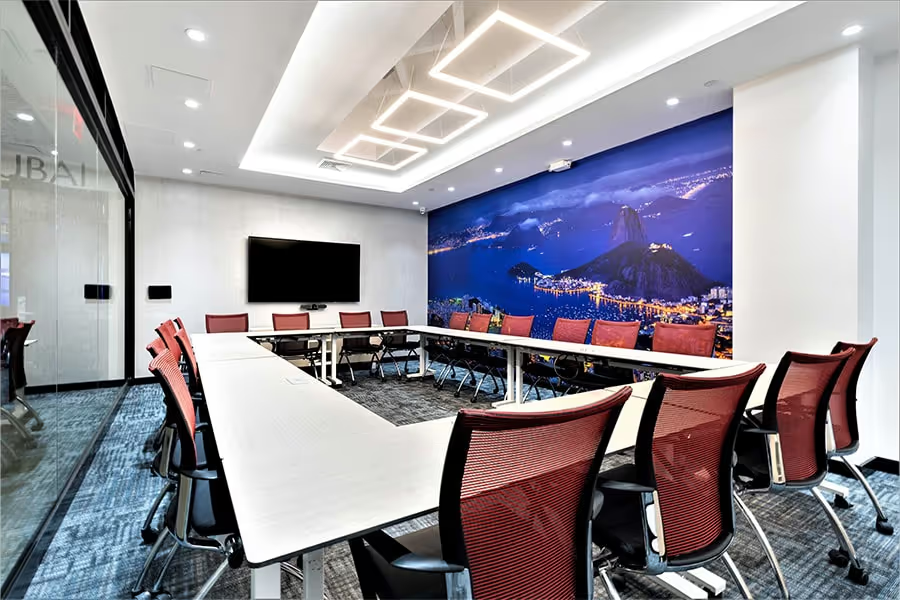
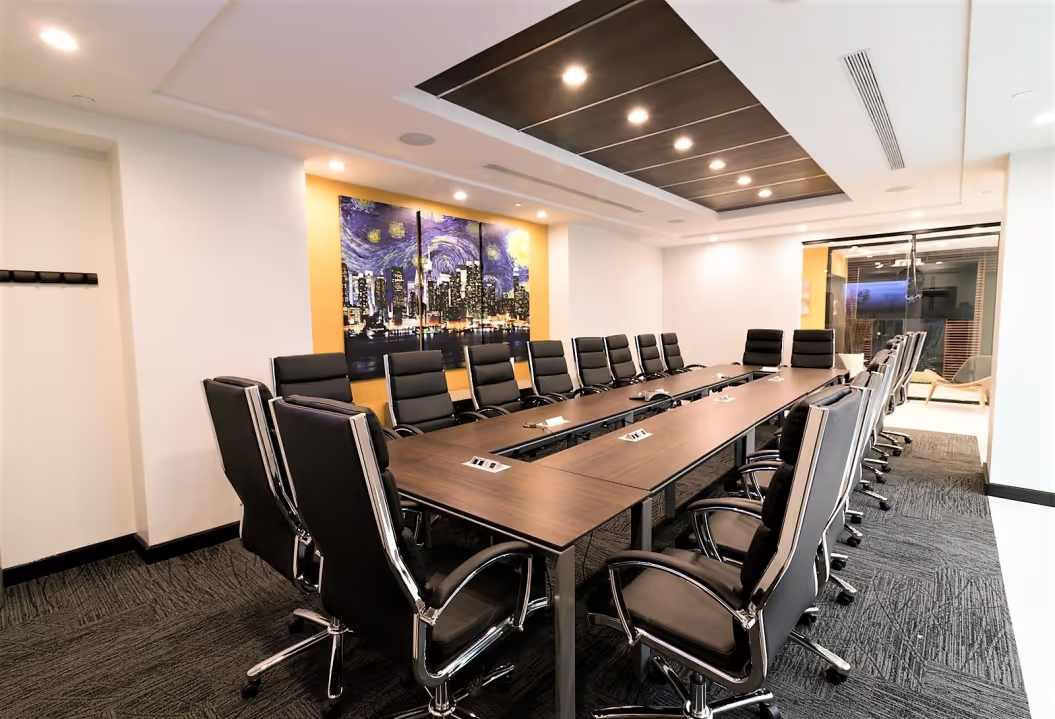
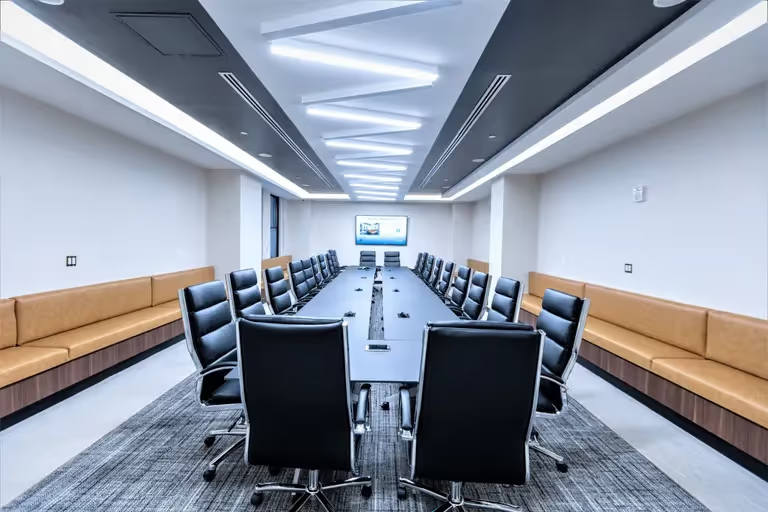
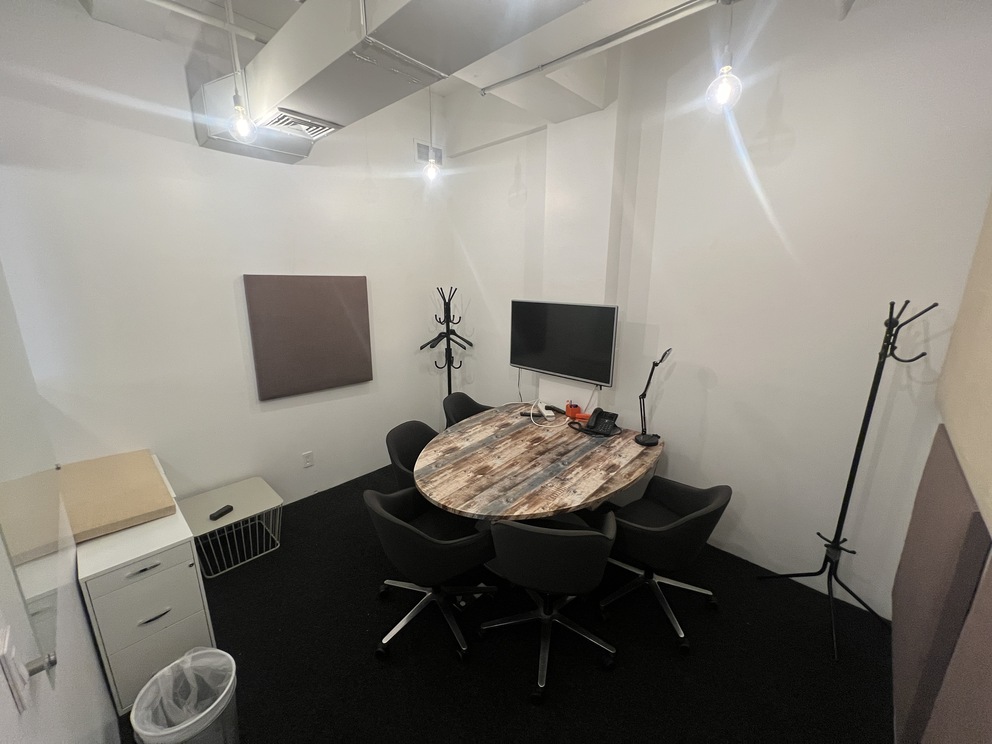
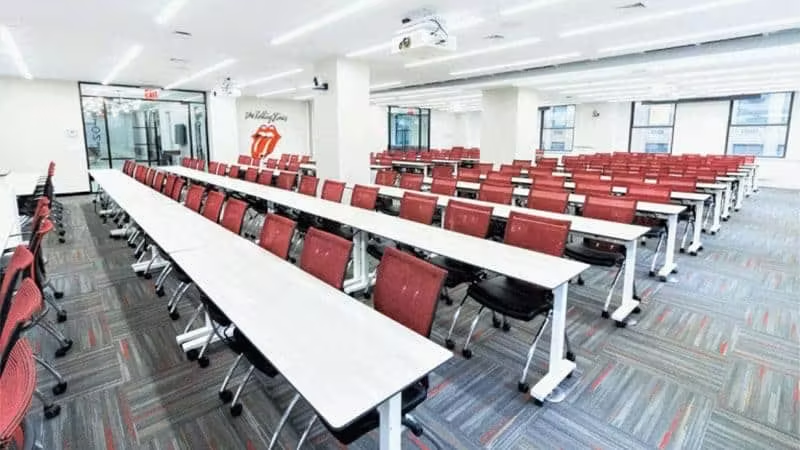
Purpose-built Jersey City meeting rooms with enterprise-grade infrastructure, dedicated service staff and PATH access, ready for confidential board sessions.


.avif)










.avif)




.avif)
.avif)
.avif)
.avif)

Frequently Asked Questions
Book 6–8 weeks out for a standard meeting, or 3–4 months out for a full-day session with twelve or more attendees, especially if you need exclusive floor access or custom catering. Popular venues in major metro areas fill up faster.
Half-day boardroom rentals typically start around $1,000–$1,500, but total cost with AV, catering minimums, and potential overtime often lands closer to $3,500–$4,500 for a twelve-person meeting.
At least $2 million in general liability insurance per occurrence, with a certificate of insurance naming your organization as an additional insured.
A purpose-built private meeting venue is generally better for confidentiality, dedicated staffing, and AV reliability. Hotels make more sense when you also need on-site sleeping rooms for multi-day events.
A minimum of 100 Mbps symmetrical bandwidth on a dedicated network, not shared building Wi-Fi.
Yes. Board discussions frequently involve material non-public information, so acoustic insulation (solid-core doors, acoustic panels, sound masking) is a requirement, not a nice-to-have.